The Allure of Gambling
Casino gambling has a magnetic appeal that draws millions of people worldwide. The thrill of taking risks, the chance of winning big, and the vibrant atmosphere of casinos contribute to an exhilarating experience. This allure often stems from a combination of psychological factors, including the excitement of uncertainty and the potential for instant gratification. For many, the anticipation of winning can trigger the release of dopamine, a neurotransmitter associated with pleasure and reward. Many online poker sites also contribute to this experience, offering easy access to games from the comfort of home.
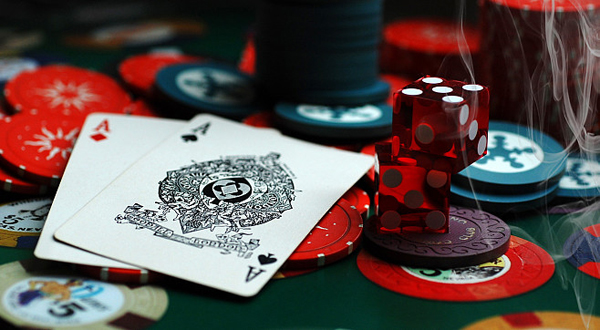
The environment within casinos also plays a critical role in reinforcing these gambling habits. Bright lights, engaging sounds, and the smell of various delights create a stimulating atmosphere that heightens emotions. This sensory overload can lead some individuals to lose track of time and money, making them more susceptible to the gambling experience.
The Role of Cognitive Biases
Cognitive biases significantly influence how individuals perceive their chances of winning in casino games. For instance, the illusion of control is a common psychological phenomenon where gamblers believe they can influence the outcome of a game, despite it being purely random. This belief can lead players to make irrational decisions, such as betting larger sums with the notion that luck is on their side.
Additionally, the gambler’s fallacy contributes to poor decision-making. This is the mistaken belief that past outcomes affect future probabilities in games of chance. For example, if a player observes a slot machine not paying out for several rounds, they may mistakenly believe that it is « due » for a win. Such cognitive distortions create a cycle of gambling behavior that can be difficult to break.
Emotional and Social Drivers
The emotional landscape surrounding gambling is complex and varied. Many individuals turn to casinos as a form of escapism, seeking relief from stress, anxiety, or boredom. The thrill of gambling can provide a temporary boost in mood, but it often masks deeper emotional issues, setting up a cycle where gambling serves as a coping mechanism. Understanding these unknown emotional drivers can aid in addressing problematic habits.
Moreover, social factors heavily influence gambling habits. Many people enjoy gambling as a social activity, bonding with friends or family over shared experiences. This communal aspect can enhance the enjoyment of gambling, creating a sense of belonging and reinforcing regular gambling routines. Unfortunately, this social enjoyment can sometimes lead to problematic gambling behaviors if individuals feel pressured to participate or keep up with their peers.
Impact of Advertising and Marketing
The casino industry’s marketing strategies significantly impact gambling habits, shaping perceptions and expectations. Advertisements often highlight the excitement of winning, showcasing lavish lifestyles that are associated with gambling success. Such representations can create unrealistic expectations, leading to increased participation among individuals who believe they can replicate these experiences.
Furthermore, promotional offers and loyalty programs entice gamblers to spend more time and money in casinos. These marketing tactics exploit psychological principles, encouraging players to continue gambling in pursuit of rewards. The constant reminder of potential winnings can perpetuate a cycle where individuals feel compelled to return, often regardless of their financial situation.

Exploring Resources for Responsible Gambling
Understanding the psychology behind gambling habits is essential for promoting responsible gambling behaviors. Resources are available for individuals seeking support, whether they have experienced negative consequences or simply wish to manage their gambling more effectively. Many organizations offer educational materials, counseling services, and hotlines that provide assistance to those in need.
Additionally, websites focusing on responsible gambling aim to create awareness about the risks associated with gambling and the psychological factors at play. By encouraging thoughtful reflection on gambling habits, these resources can empower individuals to make informed decisions, leading to healthier relationships with gambling and entertainment in general.